Insulin Degludec
Insulin degludec
Insulin degludec represents a revolutionary advancement in diabetes management, offering the longest duration of action among available basal insulins with proven safety and efficacy for both type 1 and type 2 diabetes. This ultra-long-acting insulin analog provides consistent glucose control for over 42 hours through its unique multi-hexamer formation mechanism, significantly reducing the risk of dangerous hypoglycemic episodes while maintaining excellent glycemic control. FDA-approved and extensively studied in clinical trials involving thousands of patients, insulin degludec offers unparalleled dosing flexibility and improved quality of life for individuals seeking optimal diabetes management. With its superior safety profile, reduced injection frequency, and compatibility with other diabetes medications, insulin degludec has become a preferred choice for healthcare providers and patients prioritizing both effectiveness and convenience in their diabetes treatment regimen.
Medical Disclaimer
This content is for educational purposes only and does not constitute medical advice. Always consult a qualified healthcare provider before using any peptide.Read full disclaimer
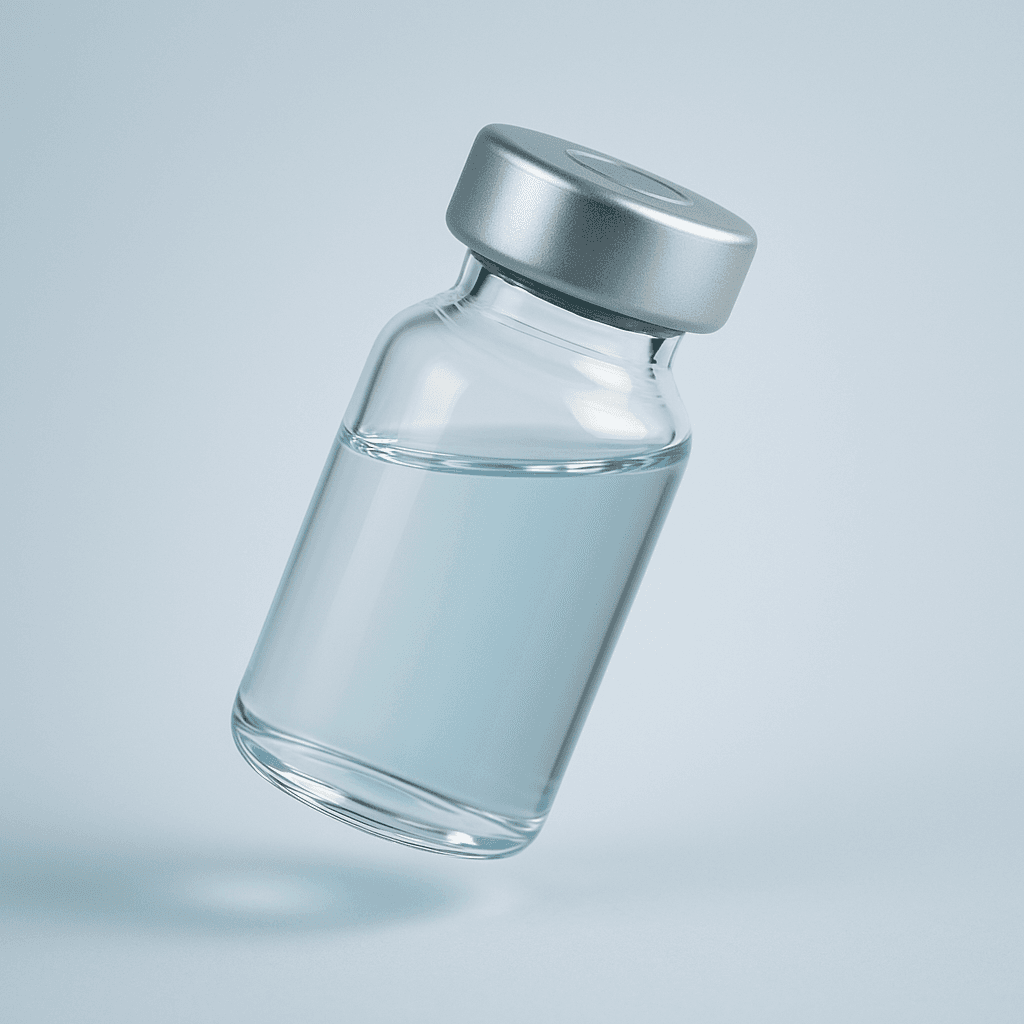
Mechanism of Action
Insulin degludec represents a breakthrough in long-acting insulin therapy, engineered through advanced molecular modifications to provide unprecedented duration of action. Upon subcutaneous injection, insulin degludec undergoes a unique multi-hexamer formation process that creates a stable depot at the injection site. This occurs through the peptide's modified B29 lysine residue, which is acylated with a hexadecanedioic acid side chain, allowing multiple insulin molecules to bind together via zinc coordination and form large, soluble multi-hexamers. These multi-hexamers act as a subcutaneous reservoir, slowly dissociating to release individual insulin monomers into systemic circulation over an extended period. Once in circulation, insulin degludec binds to insulin receptors on target tissues, particularly muscle, liver, and adipose tissue, with the same affinity as human insulin. The receptor binding triggers a cascade of intracellular signaling pathways, including activation of insulin receptor substrate proteins and downstream kinases, ultimately facilitating glucose transporter (GLUT4) translocation to cell membranes. This mechanism enables efficient glucose uptake from the bloodstream into cells, while simultaneously suppressing hepatic glucose production and promoting glycogen synthesis. The ultra-long duration of action, exceeding 42 hours, provides consistent basal insulin coverage with minimal peak-to-trough variation, reducing the risk of nocturnal hypoglycemia and offering greater dosing flexibility compared to conventional long-acting insulins.
Potential Benefits
Insulin degludec offers transformative benefits for diabetes management, primarily through its ultra-long duration of action and superior glycemic stability. Clinical studies demonstrate that insulin degludec provides effective glucose control for over 42 hours, significantly longer than other long-acting insulins, which translates to more consistent blood sugar levels throughout the day and night. This extended duration reduces the risk of dangerous nocturnal hypoglycemia by up to 36% compared to insulin glargine, a critical safety advantage that improves patient confidence and sleep quality. The flat, peakless pharmacokinetic profile means patients experience fewer glucose fluctuations, leading to more predictable diabetes management and reduced HbA1c variability. Beyond glycemic control, insulin degludec offers practical lifestyle benefits that enhance treatment adherence and quality of life. The flexible dosing window allows patients to administer their daily injection at varying times without compromising efficacy, accommodating work schedules, travel, and daily routine changes. This flexibility is particularly valuable for patients with irregular lifestyles or those who frequently forget doses. Additionally, the reduced injection frequency and lower hypoglycemia risk contribute to decreased diabetes-related anxiety and improved treatment satisfaction. Clinical evidence also suggests potential cardiovascular benefits, with some studies indicating neutral to positive effects on cardiovascular outcomes, though this remains an area of ongoing research. The combination of superior glycemic control, enhanced safety profile, and improved convenience makes insulin degludec a valuable option for both type 1 and type 2 diabetes patients seeking optimal long-term diabetes management.
Common Use Cases
Dosage & Administration
Insulin degludec dosing requires individualized approaches based on patient characteristics, diabetes type, and treatment history. For insulin-naive type 2 diabetes patients, the typical starting dose is 10 units once daily, administered at the same time each day. Patients switching from other basal insulins can generally use a unit-to-unit conversion, though those on twice-daily NPH insulin should reduce the total daily dose by 20% when converting to once-daily insulin degludec. Type 1 diabetes patients typically require 30-50% of their total daily insulin as basal insulin, with the remainder provided by rapid-acting insulin at meals. Dose titration should occur every 3-4 days based on fasting plasma glucose targets, typically aiming for 80-130 mg/dL (4.4-7.2 mmol/L) in most adults. Adjustments are usually made in 2-4 unit increments, though larger adjustments may be appropriate based on glucose patterns and clinical judgment. The maximum recommended dose is 80 units per injection, though higher doses may be administered through multiple injections if clinically indicated. Special populations require dose modifications: elderly patients may need more conservative starting doses and titration schedules, while patients with renal or hepatic impairment may require dose reductions and more frequent monitoring. The flexible dosing window allows administration timing to vary by up to 8 hours when necessary, though consistent timing is preferred for optimal glucose control.
Safety Information
Common Side Effects
Contraindications
Drug Interactions
Long-Term Safety
Long-term use is generally considered safe with regular monitoring of blood glucose levels and adjustments in dosage as needed.
Research & Clinical Evidence
Insulin degludec has been extensively studied in a comprehensive clinical development program encompassing over 10,000 patients across multiple phase 2 and 3 trials. The pivotal BEGIN program demonstrated non-inferiority to insulin glargine in glycemic control (HbA1c reduction) while showing superior safety outcomes, particularly a 36% reduction in nocturnal hypoglycemia in type 1 diabetes and 25% reduction in type 2 diabetes. The landmark DEVOTE cardiovascular outcomes trial (n=7,637) confirmed cardiovascular safety with a hazard ratio of 0.91 for major adverse cardiovascular events compared to insulin glargine, while demonstrating a 40% reduction in severe hypoglycemia episodes. Real-world evidence studies, including the EU-TREAT registry and multiple retrospective analyses, have corroborated clinical trial findings, showing sustained HbA1c improvements, reduced hypoglycemia rates, and high treatment satisfaction scores. Pharmacokinetic studies demonstrate consistent insulin exposure with low day-to-day variability (coefficient of variation <20%) and a flat, peakless profile lasting over 42 hours. Pediatric studies in children and adolescents with type 1 diabetes showed similar efficacy and safety profiles to adults. Long-term extension studies spanning up to 2 years have confirmed durability of glycemic benefits and safety profile. Meta-analyses of randomized controlled trials consistently demonstrate insulin degludec's advantages in hypoglycemia reduction while maintaining equivalent glycemic control compared to other basal insulins.
Scientific Citations & References
The information provided in this guide is based on peer-reviewed research and clinical studies. For further reading and to verify our claims, you can explore the scientific literature on Insulin Degludec.