Cerebrolysin
Cerebrolysin
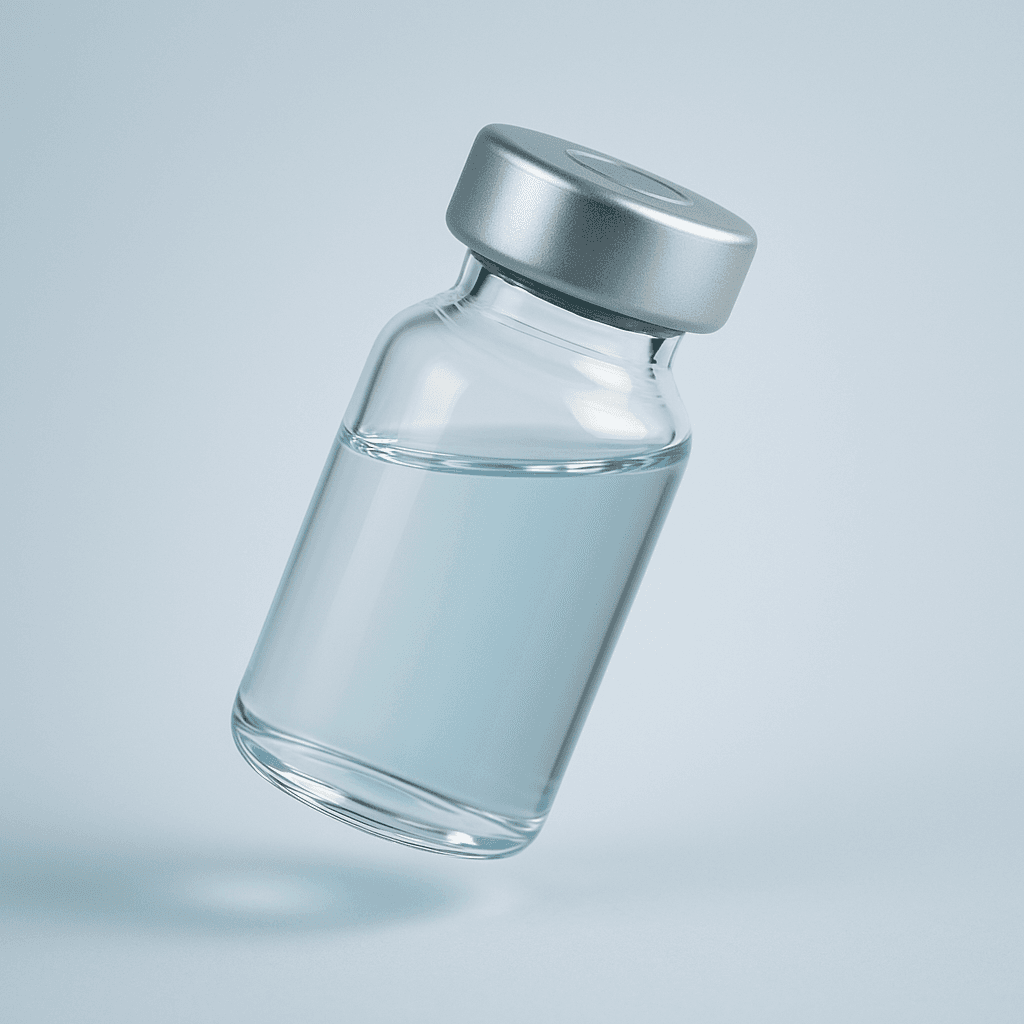
Cerebrolysin represents one of the most extensively researched peptide therapies for cognitive enhancement and neurological recovery. This unique porcine brain-derived peptide complex has garnered significant attention in the nootropic community for its ability to mimic natural neurotrophic factors and promote brain repair. With over 30 years of clinical research and widespread use in European and Asian medical systems, Cerebrolysin offers a scientifically-backed approach to supporting cognitive function, accelerating stroke recovery, and potentially slowing neurodegenerative processes. While not FDA-approved in the United States, its established safety profile and documented efficacy in treating conditions like Alzheimer's disease and stroke make it a compelling option for those seeking advanced neurological support. Understanding Cerebrolysin's complex mechanism of action, proper administration protocols, and research-backed benefits is essential for anyone considering this powerful cognitive enhancement peptide.
Medical Disclaimer
This content is for educational purposes only and does not constitute medical advice. Always consult a qualified healthcare provider before using any peptide.Read full disclaimer
Mechanism of Action
Cerebrolysin operates through a sophisticated multi-modal mechanism that closely mimics the action of endogenous neurotrophic factors, particularly brain-derived neurotrophic factor (BDNF) and nerve growth factor (NGF). This porcine brain-derived peptide preparation contains a complex mixture of low molecular weight peptides and amino acids that can cross the blood-brain barrier effectively. Once in the central nervous system, Cerebrolysin activates multiple neuroprotective pathways simultaneously. It enhances synaptic plasticity by promoting the formation of new synaptic connections and strengthening existing ones through increased protein synthesis and dendritic sprouting. The peptide complex stimulates neurogenesis in the hippocampus, a critical brain region for memory formation and learning. Additionally, Cerebrolysin provides robust neuroprotection by reducing oxidative stress through upregulation of antioxidant enzymes and mitochondrial stabilization. It also inhibits apoptotic cell death pathways while promoting cell survival signals through activation of the PI3K/Akt pathway. The compound demonstrates anti-inflammatory properties by modulating microglial activation and reducing pro-inflammatory cytokine production. Furthermore, Cerebrolysin enhances cerebral blood flow and glucose metabolism, optimizing the brain's energy supply. These combined mechanisms result in improved neuronal survival, enhanced cognitive function, and accelerated recovery from neurological injuries.
Potential Benefits
Cerebrolysin offers significant therapeutic potential for individuals suffering from neurodegenerative conditions and cognitive decline. Clinical research has demonstrated its effectiveness in improving cognitive function in patients with Alzheimer's disease, where it helps slow the progression of memory loss and enhances overall mental performance. The peptide's neuroprotective properties make it particularly valuable for stroke recovery, where it can minimize brain damage and accelerate rehabilitation by promoting neural repair and regeneration. Patients often experience improvements in attention, memory consolidation, and executive function within weeks of treatment initiation. Beyond its therapeutic applications, Cerebrolysin has shown promise as a cognitive enhancer for healthy individuals seeking to optimize brain performance. The peptide's ability to enhance synaptic plasticity and promote neurogenesis may contribute to improved learning capacity, better memory retention, and enhanced mental clarity. Research suggests that Cerebrolysin may also provide long-term neuroprotective benefits, potentially reducing the risk of age-related cognitive decline. However, it's important to note that while the research is promising, Cerebrolysin is not FDA-approved and should only be used under medical supervision. The peptide's complex mechanism of action and potential for significant neurological benefits make it an area of intense ongoing research in neuropharmacology.
Common Use Cases
Dosage & Administration
Cerebrolysin dosing requires careful consideration of multiple factors including the specific condition being treated, patient characteristics, and treatment goals. For cognitive enhancement in healthy individuals or mild cognitive impairment, a typical protocol involves 5-10ml administered intravenously daily for 10-20 consecutive days, followed by a 2-3 month treatment-free interval before repeating the cycle. Alzheimer's disease treatment typically requires higher doses of 10-20ml daily for 20 consecutive days, with cycles repeated every 3-4 months based on clinical response. Acute stroke protocols often use intensive dosing of 30-50ml daily for the first 10 days, followed by maintenance doses of 10-20ml for an additional 10-20 days. The medication should be diluted in 100-250ml of normal saline and infused slowly over 15-60 minutes to minimize side effects. Intramuscular administration, when used, typically involves 5ml injections and may be preferred for maintenance therapy or outpatient treatment. Treatment timing is important - morning administration is often preferred to avoid potential sleep disturbances. Patients should be monitored for side effects, particularly during initial treatments, and dosing may need adjustment based on individual tolerance and response. It's crucial that all dosing decisions be made by healthcare professionals experienced with Cerebrolysin protocols, as improper dosing can significantly impact both safety and efficacy outcomes.
Safety Information
Common Side Effects
Contraindications
Drug Interactions
Long-Term Safety
Long-term use of Cerebrolysin is generally considered safe, but continuous monitoring is recommended due to potential side effects such as dizziness and nausea.
Research & Clinical Evidence
Clinical research on Cerebrolysin spans over three decades, with numerous randomized controlled trials demonstrating its efficacy in neurological conditions. A landmark meta-analysis by Guekht et al. (2017) analyzing 21 studies with over 2,000 patients confirmed significant cognitive improvements in Alzheimer's disease patients treated with Cerebrolysin compared to placebo. The CERE-LYSE-1 trial, a large-scale study involving 529 acute stroke patients, showed that Cerebrolysin administration within 12 hours of stroke onset significantly improved functional outcomes at 90 days. Research by Alvarez et al. (2006) demonstrated that Cerebrolysin treatment resulted in measurable improvements in ADAS-cog scores and global clinical assessments in moderate-to-severe Alzheimer's patients. Neuroimaging studies using PET and MRI have shown that Cerebrolysin treatment correlates with increased glucose metabolism in key brain regions and reduced brain atrophy progression. A systematic review by Bornstein et al. (2018) examining stroke recovery found consistent evidence for improved neurological outcomes and reduced disability scores. Recent research has also explored Cerebrolysin's potential in traumatic brain injury, with preliminary studies showing promising results in reducing secondary brain damage and accelerating recovery. While most studies have been conducted in European and Asian populations, the consistency of results across different demographics strengthens the evidence base for Cerebrolysin's therapeutic potential.
Scientific Citations & References
The information provided in this guide is based on peer-reviewed research and clinical studies. For further reading and to verify our claims, you can explore the scientific literature on Cerebrolysin.