Liraglutide
Liraglutide
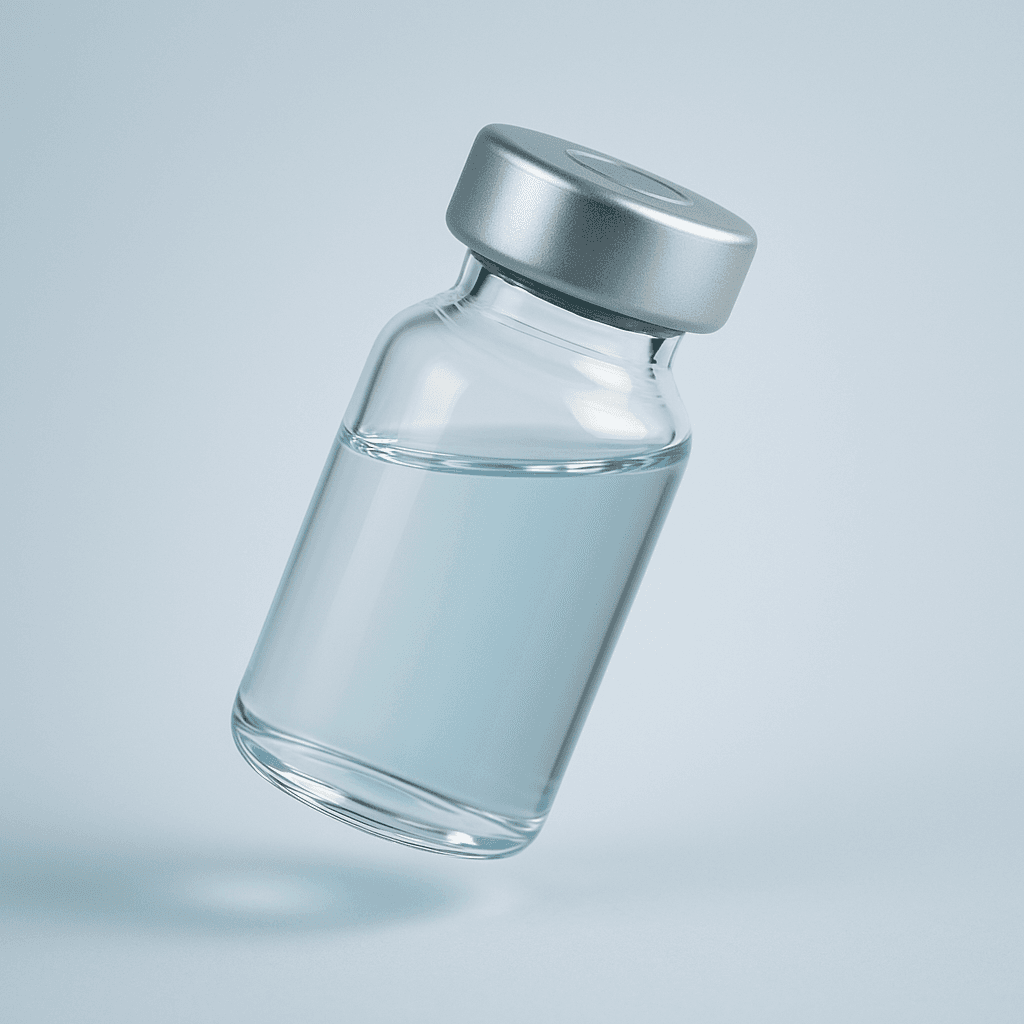
Liraglutide represents a breakthrough in peptide-based therapeutics, offering FDA-approved treatment for both type 2 diabetes management and chronic weight loss. As a synthetic GLP-1 receptor agonist, this innovative peptide mimics the body's natural incretin hormones to provide comprehensive metabolic benefits through multiple mechanisms of action. Clinical studies involving over 15,000 participants have demonstrated liraglutide's remarkable efficacy, with patients achieving significant weight loss averaging 8% of initial body weight and substantial improvements in blood sugar control. Available in convenient once-daily injection formulations (Victoza for diabetes, Saxenda for weight management), liraglutide has transformed treatment approaches for millions of patients worldwide. This evidence-based guide explores liraglutide's mechanisms, clinical benefits, dosing protocols, and practical considerations for optimal therapeutic outcomes.
Medical Disclaimer
This content is for educational purposes only and does not constitute medical advice. Always consult a qualified healthcare provider before using any peptide.Read full disclaimer
Mechanism of Action
Liraglutide is a synthetic analog of human glucagon-like peptide-1 (GLP-1), a naturally occurring incretin hormone that plays a crucial role in glucose homeostasis and appetite regulation. The peptide shares 97% sequence homology with native GLP-1 but features strategic modifications that significantly extend its half-life from minutes to approximately 13 hours, making it suitable for once-daily administration. Upon subcutaneous injection, liraglutide binds to and activates GLP-1 receptors located throughout the body, including pancreatic beta cells, gastric tissues, and specific regions of the brain involved in appetite control. In pancreatic beta cells, this activation triggers a glucose-dependent insulin secretion pathway, meaning insulin is only released when blood glucose levels are elevated, thereby reducing the risk of hypoglycemia. Simultaneously, liraglutide suppresses glucagon release from pancreatic alpha cells, further contributing to improved glycemic control by reducing hepatic glucose production. The peptide's weight management effects stem from its action on gastric motility and central nervous system pathways. Liraglutide significantly slows gastric emptying, prolonging the sensation of fullness after meals and naturally reducing caloric intake. Additionally, it crosses the blood-brain barrier and activates GLP-1 receptors in the hypothalamus and other brain regions associated with satiety and food reward, leading to decreased appetite and reduced cravings for high-calorie foods. This dual peripheral and central mechanism creates a comprehensive approach to weight management that addresses both physiological hunger signals and behavioral eating patterns.
Potential Benefits
Liraglutide offers a unique dual-benefit profile that addresses both metabolic dysfunction and weight management through its comprehensive mechanism of action. Clinical studies have demonstrated significant improvements in glycemic control for individuals with type 2 diabetes, with HbA1c reductions typically ranging from 0.8% to 1.5% when used as monotherapy or in combination with other antidiabetic medications. The glucose-dependent nature of its insulin-stimulating effects provides effective blood sugar management while minimizing hypoglycemic episodes, a significant advantage over traditional diabetes medications like sulfonylureas. The weight loss benefits of liraglutide have been extensively documented in large-scale clinical trials, with participants achieving average weight reductions of 5-10% of initial body weight over 56 weeks of treatment. This weight loss is particularly meaningful as it often leads to improvements in obesity-related comorbidities, including reduced blood pressure, improved lipid profiles, and decreased markers of inflammation. The sustained nature of weight loss with liraglutide treatment, combined with its effects on appetite regulation and food cravings, makes it an effective tool for long-term weight management rather than just short-term weight reduction. Beyond its primary indications, emerging research suggests liraglutide may offer additional cardiovascular benefits, with studies showing reduced risk of major adverse cardiovascular events in high-risk patients. The peptide's anti-inflammatory properties and potential neuroprotective effects are also being investigated, suggesting broader therapeutic applications may emerge as research continues to unveil the full scope of GLP-1 receptor activation benefits.
Common Use Cases
Dosage & Administration
Initiating liraglutide therapy requires careful attention to proper dosing protocols to optimize efficacy while minimizing side effects. For patients beginning treatment for type 2 diabetes, the recommended starting dose is 0.6 mg once daily for the first week, administered subcutaneously at any time of day, regardless of meals. This initial dose serves primarily as a tolerability assessment rather than a therapeutic dose. After one week, patients should increase to 1.2 mg daily, which represents the minimum effective dose for most individuals. If additional glycemic control is needed after at least one week at 1.2 mg, and the patient tolerates the current dose well, escalation to 1.8 mg daily is appropriate. For weight management applications, the titration schedule is more conservative due to the higher target dose and increased risk of gastrointestinal side effects. Patients begin with 0.6 mg daily for week one, then increase by 0.6 mg weekly increments: 1.2 mg in week two, 1.8 mg in week three, 2.4 mg in week four, and finally 3.0 mg daily starting in week five. This gradual escalation allows the gastrointestinal system to adapt to the medication's effects on gastric emptying and reduces the likelihood of treatment discontinuation due to nausea or vomiting. Patients who experience significant gastrointestinal side effects during dose escalation may benefit from remaining at their current dose for an additional week before attempting the next increase. If a patient cannot tolerate the 3.0 mg dose for weight management, they may continue at 2.4 mg if experiencing clinical benefit. Injection technique training should emphasize rotating injection sites among the thigh, abdomen, and upper arm to prevent lipodystrophy, and patients should be counseled on proper pen storage and needle disposal procedures.
Safety Information
Common Side Effects
Contraindications
Drug Interactions
Long-Term Safety
Long-term use is generally considered safe with regular monitoring, though there is a potential risk of thyroid C-cell tumors.
Research & Clinical Evidence
Liraglutide's clinical evidence base is extensive, with over 15 years of research supporting its safety and efficacy across multiple indications. The LEAD (Liraglutide Effect and Action in Diabetes) program, comprising six phase III trials with over 4,000 participants, established liraglutide's efficacy in type 2 diabetes management. These studies demonstrated HbA1c reductions of 0.8-1.5% compared to placebo, with significant weight loss as an additional benefit. The LEADER trial, a cardiovascular outcomes study involving 9,340 patients followed for 3.8 years, showed a 13% reduction in major adverse cardiovascular events, leading to expanded labeling for cardiovascular risk reduction. For weight management, the SCALE clinical program represents the gold standard evidence, encompassing four major trials with over 5,000 participants. The pivotal SCALE Obesity and Prediabetes trial demonstrated that 63.2% of participants achieved ≥5% weight loss with liraglutide 3.0 mg versus 27.1% with placebo over 56 weeks. The SCALE Diabetes trial specifically examined liraglutide in overweight/obese individuals with type 2 diabetes, showing superior weight loss and glycemic control compared to placebo. Long-term data from the SCALE Maintenance trial confirmed sustained weight loss over 3 years of treatment. Recent meta-analyses have consolidated evidence from over 50 randomized controlled trials, confirming liraglutide's consistent efficacy profile across diverse populations. Real-world evidence studies have corroborated clinical trial findings, with registry data from over 100,000 patients supporting the medication's effectiveness and safety profile in routine clinical practice.
Scientific Citations & References
The information provided in this guide is based on peer-reviewed research and clinical studies. For further reading and to verify our claims, you can explore the scientific literature on Liraglutide.