AOD-9604
Fragment 177-191 of Human Growth Hormone
AOD-9604, also known as Fragment 177-191 of Human Growth Hormone, represents a cutting-edge approach to targeted fat loss and metabolic enhancement. This synthetic peptide has garnered significant attention in the research community for its unique ability to stimulate fat burning while avoiding the broader systemic effects associated with full growth hormone therapy. Originally developed as an anti-obesity treatment, AOD-9604 works by selectively targeting adipose tissue, promoting lipolysis (fat breakdown) while simultaneously inhibiting lipogenesis (new fat formation). Unlike traditional weight loss interventions, this peptide fragment demonstrates the remarkable ability to preserve lean muscle mass during fat loss phases, making it particularly appealing for body recomposition goals. Clinical studies have shown promising results for AOD-9604's effectiveness in reducing abdominal fat and improving overall body composition, though it remains an investigational compound not approved by regulatory agencies for weight loss purposes.
Medical Disclaimer
This content is for educational purposes only and does not constitute medical advice. Always consult a qualified healthcare provider before using any peptide.Read full disclaimer
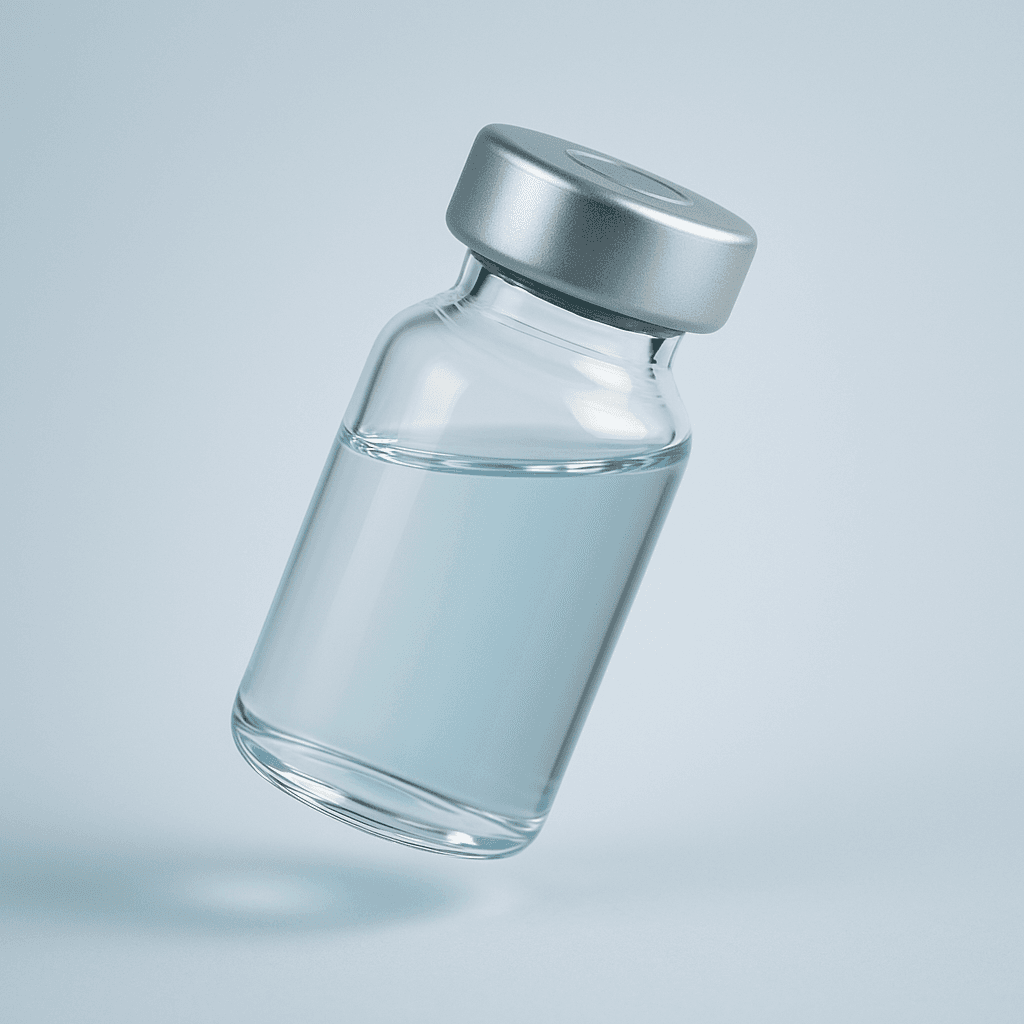
Mechanism of Action
AOD-9604 (Anti-Obesity Drug 9604) is a synthetic peptide fragment derived from amino acids 177-191 of human growth hormone (hGH). This specific sequence retains the fat-burning properties of growth hormone while eliminating its growth-promoting effects. The peptide works through a sophisticated dual mechanism targeting adipose tissue metabolism. First, AOD-9604 stimulates lipolysis by activating hormone-sensitive lipase and adenylyl cyclase pathways within fat cells, leading to the breakdown of stored triglycerides into free fatty acids and glycerol. This process is enhanced through the peptide's ability to increase cyclic adenosine monophosphate (cAMP) levels, which serves as a secondary messenger in fat metabolism. Simultaneously, AOD-9604 inhibits lipogenesis - the formation of new fat cells - by interfering with acetyl-CoA carboxylase activity, the rate-limiting enzyme in fatty acid synthesis. The peptide demonstrates selective affinity for adipose tissue, particularly targeting abdominal fat deposits where beta-3 adrenergic receptors are abundant. Unlike full-length growth hormone, AOD-9604 does not affect blood glucose levels or promote cellular proliferation, making it a more targeted approach to fat metabolism. Research indicates the peptide may also influence metabolic rate through mitochondrial function enhancement and thermogenesis activation, contributing to increased energy expenditure even at rest.
Potential Benefits
AOD-9604 offers a unique approach to weight management by specifically targeting fat metabolism without the broader systemic effects associated with growth hormone therapy. The primary benefit lies in its ability to promote selective fat loss, particularly in stubborn areas like the abdomen and hips, where traditional diet and exercise may prove less effective. Clinical observations suggest that AOD-9604 may help preserve lean muscle mass during weight loss phases, addressing a common concern where rapid weight reduction often results in muscle tissue breakdown alongside fat loss. This muscle-sparing effect is particularly valuable for individuals seeking body recomposition rather than simple weight reduction. Beyond direct fat loss, AOD-9604 may contribute to improved metabolic flexibility - the body's ability to efficiently switch between different fuel sources. Users often report enhanced energy levels and reduced fatigue, potentially linked to improved mitochondrial function and more efficient fat oxidation. The peptide's selective action means it doesn't interfere with natural growth hormone production or insulin sensitivity, making it a more targeted intervention compared to broader metabolic therapies. Additionally, some research suggests AOD-9604 may support cardiovascular health markers by reducing visceral adiposity, which is strongly linked to metabolic syndrome and cardiovascular risk factors.
Common Use Cases
Dosage & Administration
AOD-9604 dosing requires careful consideration of individual factors and specific goals. The typical starting dose ranges from 250-300 micrograms daily, administered via subcutaneous injection. This conservative approach allows users to assess tolerance and response before potentially increasing to the more commonly researched dose of 500 micrograms daily. The peptide should be injected subcutaneously, preferably into fatty tissue areas such as the abdomen, thigh, or hip region. Injection sites should be rotated to prevent tissue irritation or lipodystrophy. Timing of administration is crucial - most protocols recommend morning injections on an empty stomach, at least 30 minutes before eating, to optimize absorption and align with natural metabolic rhythms. Some advanced protocols suggest splitting the daily dose into two smaller injections, administered 12 hours apart, though this approach requires more frequent dosing. The peptide must be properly reconstituted using bacteriostatic water, following sterile technique, and stored in refrigerated conditions between 2-8°C. Once reconstituted, the solution should be used within 30 days. Treatment duration typically ranges from 12-24 weeks, with some users implementing cycling protocols such as 5 days on, 2 days off, or 4 weeks on, 1 week off. Monitoring body composition changes rather than just weight is recommended, as AOD-9604 may promote fat loss while preserving muscle mass. Users should maintain consistent injection timing and consider keeping a log to track dosing, injection sites, and any observed effects or side effects.
Safety Information
Common Side Effects
Contraindications
Long-Term Safety
Long-term safety data is limited, but AOD-9604 is generally considered well-tolerated with no major adverse effects reported in short-term studies.
Research & Clinical Evidence
AOD-9604 has been the subject of several clinical investigations, with the most significant research conducted by Metabolic Pharmaceuticals during its development phase. A notable Phase II clinical trial involving 300 obese participants demonstrated that AOD-9604 administration resulted in statistically significant fat loss compared to placebo groups, with participants losing an average of 2.6kg over 12 weeks without dietary restrictions. The study also showed that the peptide selectively targeted abdominal fat while preserving lean muscle mass. Preclinical studies in animal models have consistently demonstrated AOD-9604's ability to stimulate lipolysis and reduce fat accumulation without affecting glucose metabolism or growth parameters. Research published in the Journal of Endocrinology showed that the peptide increased fat oxidation rates by up to 50% in treated subjects. Additional studies have examined the peptide's mechanism of action, confirming its selective binding to adipose tissue and its ability to activate lipolytic pathways without stimulating IGF-1 production. Safety studies have generally shown good tolerability, with adverse events being mild and transient. However, it's important to note that despite promising early results, AOD-9604 has not received regulatory approval for obesity treatment, and some later-stage clinical trials did not meet all primary endpoints, leading to discontinued commercial development by the original pharmaceutical company.
Scientific Citations & References
The information provided in this guide is based on peer-reviewed research and clinical studies. For further reading and to verify our claims, you can explore the scientific literature on AOD-9604.